

In today’s fast world, finding spiritual comfort is key for your well-being. Life’s challenges make nourishing your soul crucial for balance and harmony.
You might be looking for a deeper connection to yourself, others, or something greater. Cultivating spiritual wellness can bring peace and calm to your life.
Key Takeaways
- Discover the importance of spiritual comfort in modern life.
- Learn how to nourish your soul for overall well-being.
- Explore practices to cultivate spiritual wellness.
- Understand the role of spiritual comfort in achieving balance.
- Find ways to deepen your connection to yourself and others.
The Essence of Soul Nourishment in Modern Life
In today’s fast world, taking care of your soul is key for well-being. We often forget the importance of spiritual health in our busy lives. Yet, it’s vital for a balanced and happy life.
Defining What Spiritual Wellness Truly Means
Spiritual wellness is about connecting with something bigger than us. It’s finding meaning, purpose, and inner peace in life. It’s not just about religion; it’s a personal journey of values and morals.
Some key aspects of spiritual wellness include:
- Developing a sense of purpose and direction
- Cultivating compassion and empathy towards others
- Practicing gratitude and appreciation for life
- Engaging in self-reflection and personal growth
The Distinction Between Spirituality and Religious Practice
Spirituality and religious practice are different. Religious practice follows specific faiths and rituals. Spirituality is a personal journey that can be outside of religion.
Spirituality is about:
- Seeking a deeper connection with yourself and the world
- Exploring your own beliefs and values
- Finding inner peace and contentment
Understanding the difference helps you find your own spiritual path.
The Science Behind Spiritual Comfort
Understanding the science behind spiritual comfort can greatly improve your mental health. It’s not just a feeling. It’s backed by science that shows its positive effects on mental health.
Research on Spirituality and Mental Health Benefits
Many studies have looked into the link between spirituality and mental health. They found that those who practice spirituality often have less stress, anxiety, and depression. Spirituality can give a sense of purpose and meaning, which is key for mental well-being. For example, a study in the Journal of Clinical Psychology showed that meditation and prayer can greatly reduce anxiety and depression symptoms.
Spirituality has many benefits for mental health. It offers emotional support and helps us deal with life’s challenges. It also helps us stay positive and adopt healthy behaviors, improving our mental health overall.
Neurological Changes During Spiritual Practices
Spiritual practices like meditation and prayer change our brain in big ways. These practices lead to a calm state and lower stress levels.
Brain Activity During Meditation and Prayer
When we meditate or pray, our brain activity changes in good ways. Studies with fMRI have shown that these practices reduce stress areas and boost positive emotions and self-control. For example, meditation increases gray matter in brain areas for attention and emotional control.
Long-term Neural Benefits of Spiritual Practice
Regular spiritual practices can change our brain for the better, improving emotional control and lowering mental health risks. Long-term meditators, for instance, have different brain activity patterns than non-meditators, showing a more resilient brain.

Recognizing When Your Soul Needs Nourishment
Knowing the signs of spiritual depletion is key to nourishing your soul. In today’s world, we often forget about our spiritual health. This neglect can make us feel empty and disconnected.

Emotional and Physical Indicators of Spiritual Depletion
Depletion can show up in emotional and physical ways. Being aware of these signs helps you meet your spiritual needs better.
Feelings of Emptiness and Disconnection
You might feel emptiness or a disconnection from yourself and others. This can make daily life seem without purpose or meaning. Feeling consistently unfulfilled or detached could mean your soul needs nourishment.
Physical Manifestations of Spiritual Hunger
Physical manifestations include fatigue, insomnia, or other symptoms not related to physical health. These signs can mean your spiritual needs are not being met.
Identifying Spiritual Needs in Your Daily Life
To find your spiritual needs, reflect on your daily life and feelings. Ask if you feel connected to something bigger than yourself. Are there moments of joy and peace, or do you feel drained and disconnected?
Being aware of your emotional indicators and physical manifestations helps you understand when your soul needs nourishment. This awareness is the first step to a more balanced and fulfilling life.
Nourishing your soul is a continuous journey. It needs patience, self-reflection, and a desire to change. By recognizing spiritual depletion signs and addressing your spiritual needs, you can live a more spiritually rich and meaningful life.
Essential Practices to Cultivate Spiritual Comfort
Spiritual comfort comes from connecting with your inner self. By adding these practices to your daily routine, you can feel more at peace and well.
Meditation and Mindfulness Techniques
Meditation and mindfulness are great for spiritual comfort. They help you stay in the moment, lower stress, and feel more connected to yourself and others.
Prayer and Contemplative Practices
Prayer and contemplation deepen your spiritual bond. They can offer comfort and guidance, whether through religious prayers or personal affirmations.
Nature Connection as a Path to Spiritual Renewal
Being in nature is a powerful way to find spiritual comfort. Walking in a park or hiking can make you feel more connected to the world.

| Practice | Primary Benefit | Secondary Benefit |
|---|---|---|
| Meditation | Reduces stress | Improves focus |
| Prayer/Contemplation | Deepens spiritual connection | Provides comfort |
| Nature Connection | Increases sense of grounding | Enhances well-being |
Adding these practices to your life can bring deeper spiritual comfort. Start with what feels right to you, and be patient with your journey.
Creating Sacred Spaces for Soul Nourishment
In a busy life, a sacred space is a soul refuge. It’s more than a place; it’s a sanctuary for your spiritual well-being. It helps you connect with yourself and the world.
Designing a Personal Sanctuary at Home
Creating a personal sanctuary at home is about designing a space for relaxation and growth. You can dedicate a corner or transform a room into a serene oasis.
Essential Elements of a Sacred Space
A sacred space needs elements that bring calm and spirituality. Consider these essential elements:
- Soothing Colors: Choose calming colors like blues, greens, or neutrals for a peaceful vibe.
- Comforting Textures: Add soft fabrics, plush rugs, or natural materials for warmth and coziness.
- Natural Elements: Incorporate plants, stones, or a water feature to connect with nature.
- Personal Symbols: Include symbols or artifacts that hold spiritual meaning to you, like crystals or inspirational quotes.
Maintaining the Energy of Your Spiritual Space
To keep your sacred space energized, regular maintenance is key. Here are some tips:
- Regular Cleansing: Cleanse your space of negative energy with smudging, sound, or other methods.
- Revisit and Refresh: Refresh your space’s elements to align with your current spiritual needs.
- Set Intentions: Set clear intentions for your space’s use and the energy you want to cultivate.

Finding Sacred Moments in Everyday Environments
While a dedicated space is great, sacred moments can be found anywhere. This means:
- Taking mindful breaths in a park or garden
- Creating a temporary altar in your workspace
- Using a portable meditation cushion or sacred object to create a sense of continuity
By creating and using sacred spaces, you can deepen your spiritual practice. This leads to inner peace and connection.
| Sacred Space Elements | Purpose | Examples |
|---|---|---|
| Soothing Colors | Create a peaceful atmosphere | Blues, Greens, Neutral tones |
| Comforting Textures | Add warmth and coziness | Soft fabrics, Plush rugs, Natural materials |
| Natural Elements | Enhance connection to nature | Plants, Stones, Water feature |
Overcoming Obstacles to Spiritual Comfort
As you seek spiritual comfort, you might face obstacles. It’s important to see these challenges as part of growing spiritually.
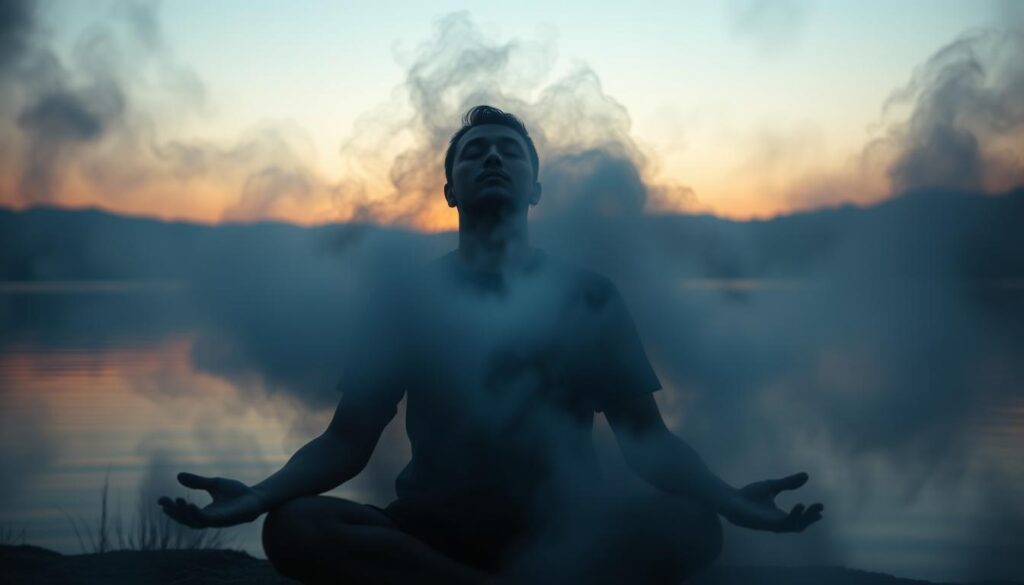
Spiritual doubt and dryness can be tough. Acknowledge your feelings instead of hiding them. Doubt can lead to a stronger spiritual base.
Addressing Doubt and Spiritual Dryness
Spiritual dryness can make you feel far from your spiritual practices. Try new ways to connect with them. For example, if meditation feels old, try different methods or guided meditations.
“The darkness of the soul is not a sign of God’s absence, but an invitation to deeper faith.” –
Navigating Spiritual Growth During Difficult Times
In difficult times, turn to your spiritual practices for support. Seek advice from leaders or texts. Also, find comfort in people who share your beliefs.
- Practice patience and self-compassion.
- Seek spiritual guidance or counseling.
- Engage in acts of kindness and service.
Breaking Through Spiritual Plateaus
A spiritual plateau can be frustrating. But it’s a sign to try something new. Explore new practices or look at old ones in a new way.
By facing and overcoming these challenges, you can keep growing spiritually. You’ll deepen your comfort and connection.
Integrating Spiritual Comfort into Your Daily Routine
Adding spiritual comfort to your daily life can change you deeply. It helps you connect more with yourself and the world. By adding spiritual habits to your day, you can find peace and balance in all areas of life.
Morning Rituals for Spiritual Alignment
Starting your day with a spiritual practice can make it better. Try a morning meditation or gentle yoga to center yourself. Keeping a gratitude journal with three things you’re thankful for each morning is also good. It helps focus on the good things in life.
Another great morning ritual is quiet time with a cup of tea or coffee. Just be in the moment. This quiet time helps you connect with your spiritual goals and get ready for the day.
Mindful Moments Throughout Your Day
Adding mindful moments to your day keeps you connected to your spiritual practice. Take short breaks to breathe deeply and notice the air. Try mindful walking by focusing on your feet touching the ground.

Even on busy days, you can be mindful. For example, enjoy each bite of food, noticing flavors and textures. This turns eating into a spiritual act.
Evening Practices for Spiritual Reflection
At the end of the day, take time for evening reflection. Write about your day, including challenges and how you solved them. This helps you understand your spiritual journey.
Doing a calming activity, like reading spiritual texts or listening to music, is also good. It helps you relax and get ready for sleep, adding to your spiritual comfort.
By making these practices part of your daily life, you can deepen your spiritual comfort and balance. This leads to a more fulfilling life.
Building a Community for Shared Spiritual Growth
As you explore your spiritual path, meeting others with similar interests can be very rewarding. A spiritual community offers support, guidance, and a sense of belonging. These are key for personal growth and development.
Finding Like-minded Spiritual Seekers
Finding others on a similar spiritual journey can greatly enhance your experience. You can connect with like-minded individuals through various means.
Online Communities for Spiritual Support
The internet is full of chances to meet others with shared spiritual interests. Online forums, social media groups, and virtual meetups are great for discussion, sharing, and support.
Local Groups and Spiritual Centers
Local spiritual centers, churches, and wellness studios also host groups and events. These can help you meet like-minded people in your area.
The Power of Collective Spiritual Practices
Practicing spirituality with others can make your individual practice more powerful. Group meditation, prayer, or communal activities create a supportive environment. This environment fosters growth and healing.
| Benefits of Collective Spiritual Practices | Individual Practice | Collective Practice |
|---|---|---|
| Support System | Limited to personal discipline | Mutual support and accountability |
| Energy and Motivation | Can be subject to personal fluctuations | Amplified by group energy |
| Learning Opportunities | Self-directed learning | Shared knowledge and experiences |

Being part of a spiritual community can deepen your connection and sense of purpose. Whether online or in-person, collective practices can enrich your journey. They provide a supportive network for your growth.
Conclusion: Embracing Your Journey to Spiritual Comfort
Remember, your spiritual journey is personal and ongoing. By using the practices from this guide, you can grow closer to yourself and the world. This will help you feel more connected.
Embracing spirituality means loving the journey, not just the end goal. It’s about being open to change and enjoying the now. This mindset helps you grow and find beauty in everyday moments.
Keep in mind the value of sacred spaces, daily spiritual practices, and a supportive community. These things help nourish your soul and deepen your spiritual comfort.
Your spiritual comfort journey is unique. It’s okay to take it slow. Be kind to yourself as you face challenges and celebrate victories along the way.
FAQ
What is spiritual comfort, and why is it essential for overall well-being?
Spiritual comfort is feeling at peace and connected to something bigger than us. It’s key for well-being because it helps us deal with stress and tough times. It builds emotional and mental strength.
How does spiritual wellness differ from religious practice?
Spiritual wellness is a personal experience, not tied to specific beliefs or rituals. It includes practices like meditation and connecting with nature. Religious practice, on the other hand, is often tied to certain beliefs and affiliations.
What are some signs that my soul needs nourishment?
Feeling empty, disconnected, or numb are signs your soul needs nourishment. You might also feel tired, have trouble sleeping, or digestive issues. Recognizing these signs is the first step to nourishing your soul.
How can I incorporate spiritual practices into my daily routine?
Start with simple practices like morning meditation or mindful moments. Try evening reflection or prayer. Journaling and connecting with nature can also nourish your soul.
What are some ways to create a sacred space for soul nourishment?
Make a quiet space in your home for meditation or reflection. Add candles, plants, or artwork to create calmness and serenity.
How can I overcome obstacles to spiritual comfort, such as doubt or spiritual dryness?
Be patient and kind to yourself. Explore new practices and seek guidance. Joining a community or trying different spiritual practices can help.
What are the benefits of collective spiritual practices, and how can I find like-minded individuals?
Collective practices offer community, support, and growth. Look for online communities, local spiritual centers, or group meditation to find others.
How can I maintain my spiritual growth and continue on my journey to spiritual comfort?
Keep practicing, be patient, and kind to yourself. Set time for reflection, try new practices, and seek guidance from mentors.