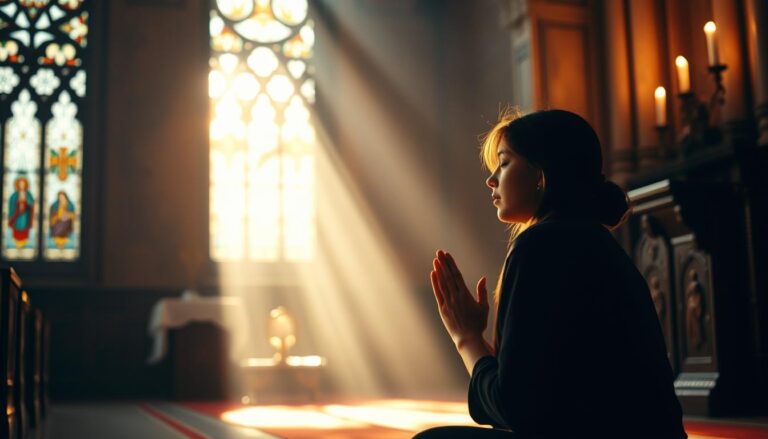

You are currently viewing Finding Faith and Hope After Tragedy

Finding Faith and Hope After Tragedy

Experiencing a tragedy can change your life forever. It can make you feel lost and without direction. But, it’s possible to find hope and start rebuilding your life again.

In times of grief, turning to your spirituality can offer comfort. Many people find that their faith helps them through the darkest moments. It gives them a sense of purpose and reassurance.

Remember, you’re not alone on this difficult journey. There are resources to help you, like counseling services and support groups. By seeking help and holding onto your faith, you can start to heal and move forward.

Key Takeaways

  • Turning to spirituality can provide comfort after tragedy.
  • Seeking support from others is crucial in the healing process.
  • Faith can offer a sense of purpose and reassurance.
  • Rebuilding your life takes time, but it’s possible.
  • Resources are available to support you through difficult times.

The Shattering Impact of Tragedy

When tragedy hits, it shakes your sense of safety and makes you question the world. The aftermath is tough, filled with mixed emotions and doubts about your faith and future.

trauma impact

How Trauma Challenges Your Belief System

Trauma can shake your faith, making you doubt everything. As spiritual leaders say, “Faith is not about knowing everything, but trusting when you don’t.” You might struggle with doubts and fears, wondering why tragedy struck. This struggle is hard but can lead to growth and understanding.

It’s key to face the mix of emotions and thoughts that come up. A quote from

“The darkness of tragedy can be a crucible for faith, testing its strength and purity.”

really hits home in these times.

The Physical and Emotional Aftermath

The physical and emotional effects of tragedy are as tough as the spiritual questions. You might feel tired, in pain, or experience grief, anger, or numbness. It’s important to know these feelings are normal and seeking help is a sign of courage.

As you go through this, remember the power of resilience and self-care. Healing practices like meditation or journaling can help. You’re not alone; many have healed and rebuilt after similar experiences.

Understanding Your Grief Journey

Grief is a personal and unpredictable journey. It can be hard to understand and cope with. When tragedy happens, the grief that follows is challenging to navigate.

The grieving process varies from person to person. It’s shaped by your relationship with the loss, how you cope, and your support system.

The Non-Linear Stages of Grief

Traditionally, grief is seen as having five stages: denial, anger, bargaining, depression, and acceptance. But now, we know grief doesn’t follow a straight path. You might move back and forth between different emotions. Your journey can include moments of sadness, anger, or even joy unexpectedly.

grief journey

Cultural and Religious Perspectives on Loss

Cultural and religious beliefs shape how we experience and express grief. For example, some cultures value showing emotions openly, while others emphasize staying calm. Knowing these beliefs can help you find comfort and meaning in your loss.

Cultural/Religious Group Grief Practices
Western Cultures Funerals, memorial services, and eulogies are common practices.
Some Indigenous Cultures Rituals may include chanting, dancing, and offerings to honor the deceased.
Buddhist Communities Meditation and chanting are used to help the deceased and the grieving.

When Grief Becomes Complicated

While grief is a natural response to loss, it can become complicated. This happens if it lasts or gets worse over time. Signs of complicated grief include intense longing for the deceased, trouble accepting the loss, or big problems in daily life. It’s important to recognize these signs and seek help.

If you’re dealing with complicated grief, getting help is key. Mental health professionals and support groups can offer guidance and support. They can help you navigate your grief journey.

Confronting Spiritual Doubts and Questions

Tragedy often makes us question our faith deeply. The pain and suffering can shake our beliefs and view of the world. It’s a time filled with intense questioning and seeking answers.

Wrestling with “Why” Questions

Dealing with tragedy is hard, mainly because of the “why” questions. Why did this happen? Why did it affect me or my loved ones? These questions can be overwhelming and often lead to a deeper exploration of our spiritual beliefs. It’s essential to acknowledge these questions and allow yourself the space to explore them.

It’s okay to not have all the answers. Sometimes, the act of questioning is more important than finding a definitive answer. This process can lead to a stronger, more resilient faith.

Finding Space for Anger in Your Spiritual Life

Tragedy can also evoke strong feelings of anger, which can be challenging to reconcile with our spiritual beliefs. It’s crucial to find space for this anger within our spiritual lives. Acknowledging and expressing anger in a healthy manner can be a significant step towards healing.

Many spiritual traditions provide a framework for understanding and dealing with anger. Exploring these teachings can offer comfort and guidance during difficult times.

spiritual doubts

Spiritual Doubts Common Questions Path to Healing
Questioning faith Why did this happen? Exploring spiritual teachings
Feeling anger Why me? Acknowledging emotions
Seeking answers What’s the purpose? Finding support in community

Finding Faith and Hope After Tragedy: First Steps Forward

Every person’s journey to find faith and hope after a tragedy is unique. It’s filled with challenges and victories. Healing is a slow process that starts with small steps.

rebuilding trust after tragedy

Small Daily Practices to Rebuild Trust

Building trust starts with daily habits that make you feel safe and connected. Begin with a morning routine like meditation, journaling, or a short walk. These activities help you feel more in control.

Also, reaching out to friends or family can offer support and connection.

Embracing Uncertainty as Part of Your New Faith

Uncertainty is a part of your new reality. Instead of fighting it, embracing it can help you heal. It’s okay to not have all the answers.

Your faith can coexist with doubt. This acceptance makes your faith stronger and more mature.

Setting Realistic Expectations for Healing

Healing is not a straight line. It’s important to have realistic expectations for yourself. There will be ups and downs, and that’s normal.

Give yourself time to heal at your own pace. Don’t be too hard on yourself when you face setbacks. This way, you’ll be kinder to yourself as you heal.

Spiritual Practices That Sustain During Dark Times

When loss feels overwhelming, spiritual practices can offer a beacon of hope. They provide comfort and deepen your connection to your spiritual self.

spiritual practices

Contemplative Prayer and Meditation Techniques

Contemplative prayer and meditation are powerful for spiritual growth and healing. They help quiet your mind and connect with your inner self. Regular practice builds inner calm and resilience.

Expressive Spiritual Journaling

Journaling is a therapeutic way to process emotions and reflect on your spiritual journey. It clarifies your thoughts and feelings. It also helps express your spirituality and connect with your deeper self.

Creating Sacred Spaces in Your Home

Creating a sacred space in your home offers a sanctuary for reflection and prayer. It can be a corner with meaningful symbols, candles, or texts. This space becomes a retreat for reconnecting with your spirituality.

Spiritual Practice Benefits
Contemplative Prayer and Meditation Inner peace, resilience, and spiritual growth
Expressive Spiritual Journaling Emotional processing, clarity, and spiritual insight
Creating Sacred Spaces Sanctuary for reflection, peace, and spiritual connection

Incorporating these practices into your daily life strengthens your faith and hope, even in dark times.

Drawing Strength from Sacred Wisdom

When we face great loss, spiritual teachings can offer comfort and strength. Sacred wisdom from various faiths provides a wealth of teachings. These can guide you through your grief journey.

Comforting Texts Across Faith Traditions

Different faiths have texts that bring comfort in hard times. For instance:

  • In Christianity, the Psalms offer solace, like “The Lord is near to the brokenhearted” (Psalm 34:18).
  • Buddhism teaches on impermanence, showing that suffering is a natural part of life.
  • In Islam, the Quran provides comfort, like “And We will surely test you with something of fear and hunger and loss of wealth and lives and fruits, but give good tidings to the patient” (Quran 2:155).

These texts remind us we’re not alone in our struggles. There’s a community that has faced similar hardships.

Reinterpreting Spiritual Teachings Through Suffering

Suffering can challenge our understanding of spiritual teachings. Yet, it can also deepen our faith. By reinterpreting these teachings through our experiences, we can find new meaning:

“The wound is the place where the light enters you.” – Rumi

This view sees suffering as a chance for growth and enlightenment. By looking at spiritual teachings through our own lens, we gain new insights and a stronger faith.

As you find strength in sacred wisdom, remember your journey is unique. It’s okay to question and explore different teachings. This can help build a faith that truly reflects your experiences.

Building Your Circle of Support

After a tragedy, having a supportive community can help a lot. It’s key to have a strong support circle when rebuilding your life. This circle helps you deal with tough emotions and challenges.

Finding Faith Communities That Honor Your Journey

Connecting with faith communities that get you can make you feel at home. These places offer a safe space to share and get guidance. They also have rituals that help you heal.

The Role of Spiritual Directors and Counselors

Spiritual directors and counselors are very important in your healing. They offer personal support and help you understand your faith and feelings. They guide you through tough times.

When to Seek Professional Mental Health Support

Even with faith and guidance, sometimes you need mental health support. If you’re feeling too much stress, anxiety, or sadness, get help. Mental health professionals can give you the tools to manage your feelings and work through your grief.

Building a strong, diverse support network is crucial. It gives you the strength to face tragedy’s aftermath and find healing and hope.

Transforming Pain into Meaningful Purpose

After tragedy, your pain can spark a new purpose. This change takes time, reflection, and support. Many find their suffering leads to a new sense of direction and fulfillment.

How Tragedy Can Reshape Your Life’s Mission

Tragedy makes you rethink your priorities and values. As you deal with your loss, your old goals might not fit anymore. This chance to redefine your mission can focus on what truly matters now.

For example, someone who has lost someone dear might want to help others facing similar challenges. Reflecting on your values and passions helps find a new mission. Think about what you love and how to use it to help others.

Stories of Resilience and Renewed Purpose

Many have turned their pain into strength and inspiration. The story of Nick Vujicic, born without arms or legs, is a great example. Despite his challenges, Nick inspires people worldwide as a motivational speaker.

These stories show that resilience and determination can lead to a new purpose. You can find inspiration in these stories as you journey through your own challenges.

Pathways to Renewed Purpose Description Potential Impact
Helping Others Supporting those who are experiencing similar challenges Creates a sense of community and shared understanding
Advocacy Raising awareness about issues related to your loss Can lead to positive change and reforms
Creative Expression Using art, writing, or other creative outlets to process your emotions Provides an emotional release and can inspire others

Small Ways to Honor Your Loss Through Service

Doing acts of service can honor your loss. This could be as simple as volunteering your time or sharing your story. You might also help organize or join events that raise awareness or funds for your cause.

By serving others, you can turn your pain into something positive. This creates a lasting legacy that honors your loved one or your own strength.

Navigating Difficult Days: Holidays and Anniversaries

Holidays and anniversaries can bring up hard feelings, reminding you of your loss. It’s key to find new ways to deal with these days. What was once joyful now might feel sad and nostalgic.

Creating New Meaningful Rituals

Creating new rituals can help with holidays and anniversaries. You might start a new tradition or change an old one to honor your loss. For instance, lighting a candle on an anniversary or visiting a special place can be meaningful.

Balancing Remembrance with Moving Forward

It’s crucial to remember your loss but also move forward. Remembering can be painful, but it’s also important to honor those memories without getting stuck. Set aside time to reflect, but also do things that help you heal and grow.

By finding this balance and creating new rituals, you can face tough days with hope and strength.

Embracing Your Transformed Faith

Tragedy can break your beliefs but also reshape your faith deeply. As you move past a traumatic event, your spirituality might change. It could become something new and very meaningful.

When Your Spirituality Takes a New Shape

Your spiritual practices and beliefs might change after tragedy. You might find comfort in new rituals or a different view of a higher power. This change can be tough but freeing, revealing new aspects of your faith that offer comfort and strength.

Finding Peace with Mystery and Unanswered Questions

Embracing your transformed faith means learning to live with the unknown. You might not get answers to all your “why” questions. But, you can grow to accept the mystery as part of your spiritual journey. This acceptance can bring peace, even with questions left unanswered.

Recognizing Growth Within Your Pain

Looking back, you might see growth and resilience from your pain. This is a key part of your transformed faith. It shows that even in tragedy, there’s a path forward with a deeper, wiser spirituality.

Embracing this growth and the new shape of your faith can offer hope and strength. It helps you keep moving forward.

Conclusion: Carrying Hope Into Your Future

As you find faith and hope after tragedy, you learn healing isn’t about forgetting the past. It’s about embracing a future full of hope. The journey ahead is tough, but with each step, you grow stronger and deepen your faith.

Carrying hope means you acknowledge the pain but stay open to new possibilities. It’s about finding spiritual strength to guide you. You hold onto cherished memories while creating a new purpose in life.

Your future isn’t set by the tragedy, but by the hope you build after it. Moving forward, you see hope as a choice. It’s choosing to believe in life’s goodness, finding meaning in your experiences, and trusting in your healing and growth.

FAQ

What are some ways to cope with the emotional aftermath of a tragedy?

Try mindfulness practices like meditation or deep breathing to manage your emotions. Reaching out to loved ones or joining a support group can also offer comfort. Seeking professional help is another option for guidance.

How can I find a faith community that supports me after a tragedy?

Start by searching online for faith communities that match your values and beliefs. Ask friends, family, or a spiritual leader for recommendations. Visiting different communities and attending services can help you find a supportive environment.

What are some spiritual practices that can help me heal?

Practices like contemplative prayer, meditation, and journaling can help you process your emotions. Creating a sacred space in your home, like a meditation room or altar, can also promote reflection and peace.

How can I honor my loss and find meaning after a tragedy?

Creating a memorial or ritual to honor your loved one or loss can be helpful. Engaging in volunteer work or activities that help others can also give you a sense of purpose and meaning.

What are some ways to navigate difficult days, such as holidays or anniversaries, after a tragedy?

Creating new meaningful rituals or traditions can help you cope with difficult days. It’s important to balance remembrance with moving forward. This allows you to acknowledge your feelings while honoring your loved one or loss.

How can I find peace with the mystery and unanswered questions after a tragedy?

Focus on the things you do know and understand. Practicing acceptance and letting go can help you find peace and move forward.

What are some signs that I may need to seek professional mental health support?

If you’re feeling overwhelmed with emotions like anxiety or depression, or if daily life is tough, seek professional help. If you’re struggling with complicated grief or other mental health concerns, a mental health professional can offer guidance and support.

Leave a Reply