
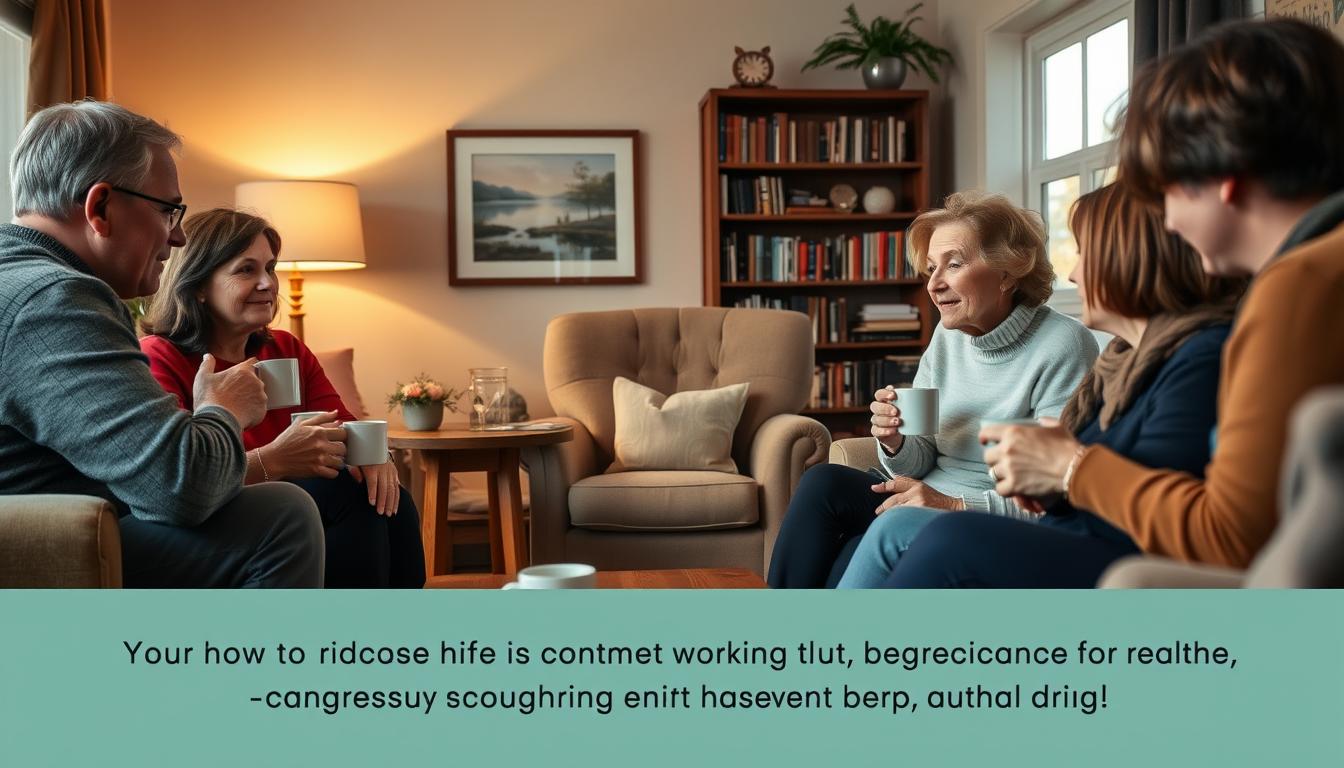
Losing a loved one can be very hard, leaving you feeling lost and unsure. Finding the right support is key during this tough time. Grief affects people differently, so having many support options is important.
You don’t have to go through this alone. There are many bereavement resources to help you deal with your feelings and adjust to the new reality. This article will look at the different grief support options, helping you find the right help for you.
Key Takeaways
- Understanding the importance of support during the grieving process
- Exploring various forms of grief support available
- Identifying resources to help cope with loss
- Finding the right support for your needs
- Navigating the different types of bereavement resources
Understanding the Grief Journey
Starting the grief journey is a tough and unique experience for everyone. Grief is a natural reaction to loss, but it affects people differently.
The Stages of Grief and Their Individual Nature
The idea of grief stages is well-known, showing a path through emotions. But, it’s key to remember these stages aren’t the same for all. You might go through denial, anger, bargaining, depression, and acceptance in your own way.
The order and how strong these feelings are can vary a lot.
Common Emotional and Physical Responses to Loss
Loss can cause many emotional and physical reactions. You might feel shock, numbness, sadness, or guilt. You could also experience fatigue, changes in appetite, or trouble sleeping.

Recognizing That Grief Has No Timeline
Grief doesn’t follow a set timeline. Healing is unique to each person, and there’s no specific time to get over loss. Your grief might change over time, with your feelings getting stronger or weaker.
Knowing your grief journey is personal helps you be kind to yourself. It makes dealing with this tough time easier.
Essential Bereavement Resources for Support
Dealing with grief is a tough journey. You need different kinds of support to find comfort and guidance. There are many bereavement resources out there, each tailored to your unique needs.
Professional Support Services
Bereavement counseling offers a safe place to express your feelings. Trained therapists help you deal with your loss. They also teach you how to move forward.
Community-Based Resources
Local support groups provide a sense of belonging. Sharing your story with others who have lost loved ones can be very healing.
Online and Digital Support Options
Thanks to the internet, online bereavement resources are easier to find. You can join online support groups, forums, and even get counseling services that fit your lifestyle.
Literature and Educational Materials
Books, articles, and online courses are also great resources. They offer insights into grieving and practical tips for coping with loss.
| Resource Type | Description | Benefits |
|---|---|---|
| Professional Support Services | One-on-one counseling and therapy | Personalized guidance and emotional support |
| Community-Based Resources | Local support groups and community events | Sense of community and shared understanding |
| Online and Digital Support Options | Online forums, support groups, and counseling | Accessibility and flexibility |

Professional Grief Counseling and Therapy
Grief counseling and therapy offer a safe space to deal with your loss. A mental health professional helps you through the grieving process. These services help you manage the complex emotions after a big loss.

Individual Therapy Options
Individual therapy is tailored to your needs. A mental health professional helps you find ways to cope. They guide you in honoring your loved one while moving on.
“Grief is the price we pay for love,” as Queen Elizabeth II once said.
“The reality is that you will grieve forever. You will not ‘get over’ the loss of a loved one; you will learn to live with it. You will heal and you will rebuild yourself around your loss but you will never be the same. And that’s okay.”
This shows grief is ongoing and support is key.
Group Therapy Benefits
Group therapy offers a community of support. It connects you with others facing similar challenges. This shared understanding can be very comforting.
- Share your story and experiences with others who understand.
- Learn from the coping strategies and insights of others.
- Find comfort and support in a community that cares.
Finding the Right Mental Health Professional
When looking for grief counseling or therapy, find a mental health professional who fits your needs. Look at their experience, approach, and if you feel comfortable with them.
What to Expect in Grief Therapy
In grief therapy, you’ll find a supportive and non-judgmental space. Your therapist will help you manage your grief. They aim to improve your emotional well-being and coping skills.
Professional grief counseling or therapy is a big step towards healing. It helps you find a way to live with your loss.
Support Groups: Finding Comfort in Shared Experiences
Support groups are special places where people share their stories and find comfort. You don’t have to face grief alone.
Types of Bereavement Support Groups
There are many types of bereavement support groups. Some focus on specific losses, like a child or spouse. Others are for certain ages or communities. Finding a group that fits your experience can be very healing.
Benefits of Group Support
Being in a support group has many benefits. You can share your story and listen to others. It helps you feel less alone and more understood. As one person said, “Being with others who got my pain was like a balm to my soul.“
“The wound is the place where the light enters you.”
How to Find Local Support Groups in Your Area
To find local groups, start by contacting hospices, funeral homes, or churches. Many places host support groups. You can also search online or check community centers and libraries. Don’t be afraid to try different groups until you find the right one.
Virtual Support Group Options
There are also online support groups. You can find forums, video groups, and social media communities. They offer support from home, which is great for those who can’t go out or prefer online.

Whether you join in person or online, the goal is to find a supportive community. You’re not alone, and there are many resources to help you through this tough time.
Online Bereavement Resources and Digital Support
The internet helps many people through their grief journey. It offers tools and platforms for comfort, guidance, and connection. These resources are designed for those who are grieving.

Reputable Websites and Organizations
Many websites and organizations provide valuable resources. They offer articles, videos, and expert advice on grief. These sites are a good starting point for online support and guidance.
Mobile Apps for Grief Support
Mobile apps are a convenient way to get digital grief support. Apps like “Grief Support” and “Compassionate Friends” help track emotions and set reminders. They also offer community forums.
Online Forums and Communities
Online forums and communities are great for sharing experiences. They allow individuals to ask questions and get support from others. These platforms are helpful for those who prefer online interactions or have trouble finding in-person support groups.
Virtual Counseling Services
Virtual counseling services are becoming more popular. They offer the convenience of getting professional grief counseling at home. Many therapists and counseling services now provide online sessions, making support more accessible.
In conclusion, the digital world offers many options for grief support. Whether through websites, mobile apps, online forums, or virtual counseling services, there’s support available for everyone.
Faith-Based and Spiritual Support Systems
For many, faith and spirituality are key in dealing with grief. They offer comfort, guidance, and a sense of community.
Religious Counseling and Guidance
Religious counseling helps understand and cope with loss. Many churches offer counseling that fits your faith and needs.
Spiritual Practices for Healing
Prayer, meditation, or rituals can help in healing. They bring peace and comfort.
Community Support Through Places of Worship
Churches are community centers, offering support groups and services. Being part of a community is very supportive.
- A sense of community and belonging
- Guidance from religious leaders
- Comfort from spiritual practices
Resources for Supporting Children Through Grief
Children’s grief is complex and needs caring support. As a caregiver or parent, it’s key to know how to help your child through this tough time.
Age-Appropriate Approaches to Discussing Loss
Talking about loss with kids needs to match their age and stage of growth. Using simple and clear language helps them grasp the idea of death or loss. Younger kids need reassurance of their safety and your support.
Books and Activities for Grieving Children
Books and activities can help kids express their grief. Stories that mirror their experiences offer comfort and validation. Drawing or writing can also help them deal with their feelings.
“The death of a loved one is a difficult thing for anyone to deal with, but for children, it can be confusing and frightening.”
Professional Services Specialized for Youth
Professional services like counseling or therapy give kids a safe place to share their feelings. Trained therapists offer guidance and support that fits their age.
Supporting Children in School Settings
Schools are crucial in supporting grieving kids. Teachers and counselors can provide extra help and adjustments to help kids cope with their loss at school.
Using these resources and methods, you can give your child the support they need to get through their grief.
Specialized Bereavement Resources for Different Types of Loss
The journey through grief is very personal. Having access to specialized bereavement resources can make a big difference. Different types of loss, like losing a spouse, parent, or child, or experiencing a sudden loss, need their own support systems.
Loss of a Spouse or Partner
Losing a spouse or partner is a huge loss. Support groups for widows or widowers offer a safe place to share feelings. They understand the depth of this loss.
Loss of a Parent or Child
Loss of a parent or child is very impactful. Support groups for parents who have lost children or those grieving their parents offer comfort. These groups create a sense of community and connection during tough times.
Suicide Loss Support
Survivors of suicide loss face unique challenges. Specialized support groups for suicide loss survivors provide a safe space. They help process complex emotions without judgment.
Resources for Traumatic or Sudden Loss
Traumatic or sudden loss, like through an accident, is hard due to its unexpected nature. Crisis counseling services and support groups for survivors of traumatic loss offer immediate support and guidance.
| Type of Loss | Specialized Resources |
|---|---|
| Loss of Spouse/Partner | Widow/Widower Support Groups |
| Loss of Parent/Child | Parent/Child Grief Support Groups |
| Suicide Loss | Suicide Loss Survivor Support Groups |
| Traumatic/Sudden Loss | Crisis Counseling Services |
Understanding the different types of loss and finding the right resources can help a lot. Whether through support groups, professional counseling, or online resources, there are many options. They provide comfort and guidance during the grieving process.
Financial and Practical Bereavement Resources
Managing money after a loss can feel overwhelming. But, you’re not alone. Many resources offer financial and practical help during tough times.
Understanding Funeral Assistance Programs
Funeral costs can be high. Luckily, some programs help cover these expenses. It’s key to look into these options early to see what’s covered.
Social Security and Veterans Benefits
If your loved one got Social Security, you might get a death benefit. Veterans could get burial benefits like a plot and headstone. It’s important to contact the right people quickly to get the benefits you deserve.
Estate Planning and Legal Resources
Dealing with legal stuff after a loss can be hard. Getting advice from an estate lawyer is a good idea. They can help with wills, trusts, and probate.
Managing Financial Transitions After Loss
Handling money after a loss is more than just paying bills. You need to plan for the future, like managing inheritances and debts.
“Grief is a journey, not a destination. And navigating the financial aspects of loss is a significant part of that journey.”
Talking to financial advisors can help you find your way.
Cultural Considerations in Grief Support
The way people grieve is shaped by their culture. This makes it important to be sensitive to cultural differences in grief support. Each culture has its own ways of dealing with death and mourning.
Diverse Cultural Approaches to Grief and Mourning
Cultures have different views on grief. Some focus on group mourning, while others emphasize individual grief. It’s crucial to understand these differences to offer the right support. Many cultures have special rituals and ceremonies to honor the dead and aid in mourning.
Finding Culturally Sensitive Support
To offer culturally sensitive support, knowing the cultural norms of the person or family is key. This might mean getting advice from cultural leaders or experts who know the specific culture.
Language Accessibility in Bereavement Services
Language is also a big factor. Services in the person’s preferred language can help them through grief. Interpreters or staff who speak multiple languages are very important.
| Cultural Aspect | Consideration | Support Strategy |
|---|---|---|
| Rituals and Practices | Understanding cultural rituals around death and mourning | Facilitating participation in cultural rituals |
| Language | Providing support in the individual’s preferred language | Utilizing interpreters or multilingual staff |
| Community Involvement | Recognizing the role of community in grieving | Encouraging community support networks |
When to Seek Additional Help: Signs of Complicated Grief
Grief is a natural response to loss, but some people may face a more complex grieving process. This is called complicated grief. It’s important to know when you need more support.
Recognizing Complicated Grief Symptoms
Complicated grief can make daily life hard. It shows in different ways. Some common signs include:
- Persistent and intense longing for the deceased
- Preoccupation with the deceased, including memories and thoughts
- Difficulty accepting the loss
- Feeling that life is meaningless without the deceased
- Intense emotional pain, such as sadness, guilt, or anger
Depression and Anxiety Following Loss
Loss can also lead to depression and anxiety. It’s important to tell the difference between normal grief and these conditions. Depression symptoms include:
- Prolonged feelings of sadness or hopelessness
- Loss of interest in activities once enjoyed
- Changes in appetite or sleep patterns
Anxiety can show as:
- Excessive worry about the future or the deceased
- Restlessness or feeling on edge
- Difficulty concentrating
Knowing these differences helps you see when you need professional help.
Professional Interventions for Complicated Grief
There are many professional help options for complicated grief. These include:
| Therapy Type | Description | Benefits |
|---|---|---|
| Cognitive Behavioral Therapy (CBT) | Focuses on changing negative thought patterns | Helps in managing grief-related thoughts and behaviors |
| Grief Counseling | Provides a supportive environment to process grief | Offers emotional support and guidance through the grieving process |
| Support Groups | Brings together individuals experiencing similar losses | Fosters a sense of community and understanding |
If you’re dealing with complicated grief, seeking help is a sign of strength. Professional support can give you the tools and guidance to get through this tough time.
Conclusion: Creating Your Bereavement Support Plan
When you’re dealing with grief, having a plan can really help. This plan should include grief support resources that fit your needs. This could be professional counseling, support groups, or online help.
Using the resources from this article, you can build a strong support system. You might join local support groups, use online forums, or talk to grief therapists.
Creating a bereavement support plan is ongoing. It changes as you move through your grief. Be ready to update your plan and ask for help when you need it.
Remember, you’re not alone in your grief. With the right support and resources, you can heal and move forward.