
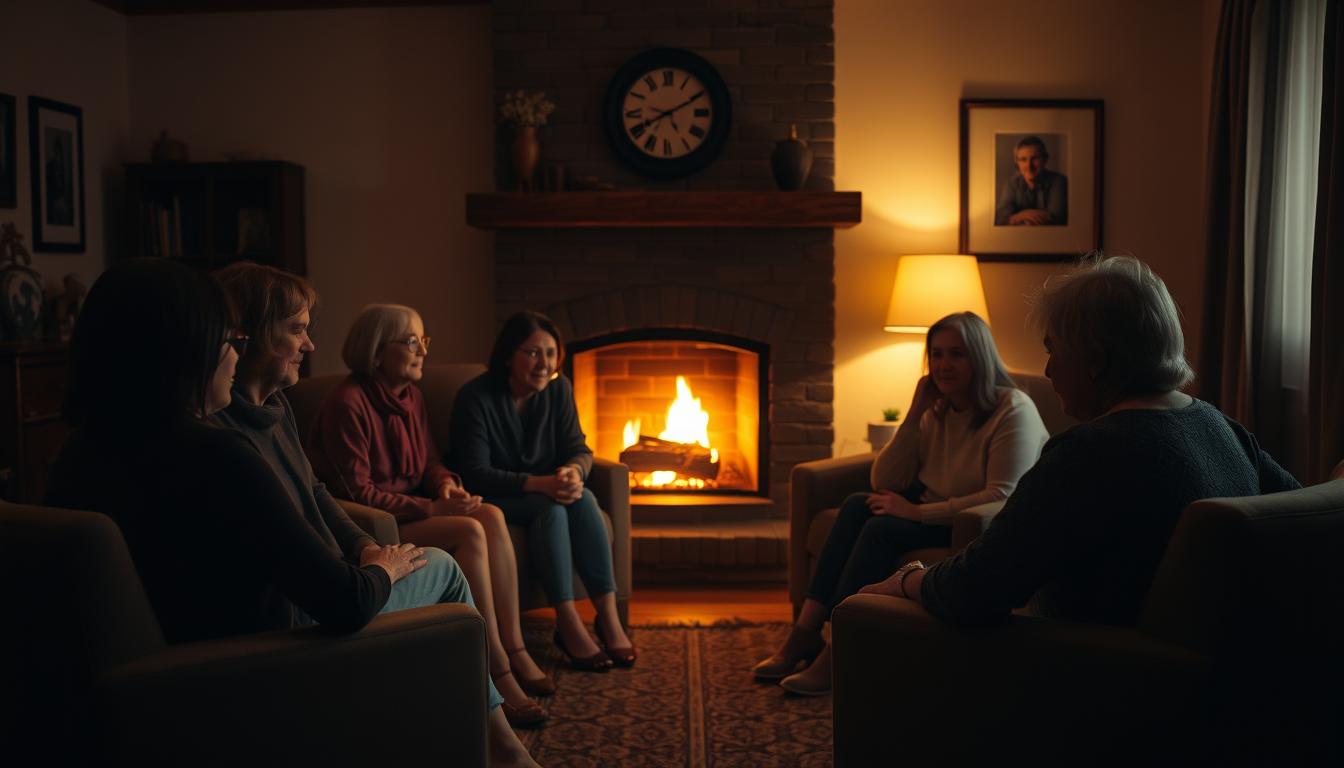
Losing a loved one is very hard. The pain and sadness can feel overwhelming. Grieving is a personal journey, and healing takes time. You might feel alone or unsure about how to handle your feelings.
Finding support is crucial during this tough time. Talking to friends, family, or a counselor can offer comfort and guidance. You don’t have to go through this alone. Grief support can help you understand your emotions and find a way to heal.
Key Takeaways
- Grief is a personal and unique experience.
- Support from loved ones or professionals is vital.
- Healing is a journey, not a destination.
- You don’t have to face your grief alone.
- Seeking bereavement help can provide comfort and guidance.
Understanding Grief and the Bereavement Process
Grief can feel very personal and lonely. But knowing about its process can bring some comfort. When you lose someone close, remember that grief is different for everyone.
The Stages of Grief and Their Manifestations
The grieving process is often talked about in stages. These include denial, anger, bargaining, depression, and acceptance. But, not everyone goes through all these stages, and they don’t always come in order. You might switch between different feelings as you deal with your loss.
Common Emotional and Physical Responses to Loss
You might feel a lot of different emotions, like shock, sadness, frustration, or guilt. Grief can also make you tired, change your appetite, or mess with your sleep. Knowing these are normal parts of grieving can help you handle it better.

Recognizing That Grief Is Unique for Everyone
Your grief is shaped by your bond with the person who passed away, how you cope, and your support network. It’s important to let yourself grieve in your own way. Don’t compare your grief to others.
| Aspect of Grief | Common Experiences |
|---|---|
| Emotional Responses | Sadness, anger, guilt, shock |
| Physical Responses | Fatigue, sleep changes, appetite changes |
| Personal Factors | Relationship with the deceased, coping mechanisms, support systems |
Knowing grief is unique can help you find the right support and guidance during this tough time.
When and Where to Seek Bereavement Help
Grief can make you feel alone, but sometimes, you really need help. Everyone grieves differently. Knowing when to ask for support is key to getting through this tough time.
Signs You May Need Additional Support
It’s important to know when you might need more help. Look out for these signs:
- Feeling very sad or hopeless for a long time
- Having trouble with everyday tasks or keeping up with friends and family
- Feeling a lot of emotional pain that doesn’t go away
- Feeling guilty, angry, or resentful and can’t handle it
If you see a few of these signs, it might be time to look into grief counseling or other support.

Immediate Resources for Crisis Situations
In emergencies, knowing where to turn can save lives. Here are some places to go:
| Resource | Description | Contact Information |
|---|---|---|
| National Suicide Prevention Lifeline | 24/7 support for suicidal thoughts or feelings | 1-800-273-TALK (8255) |
| Crisis Text Line | Text-based support for crisis situations | Text HOME to 741741 |
Overcoming Stigma Around Seeking Help
Many people hesitate to ask for help because of shame. But, seeking support is a sign of strength, not weakness. By talking openly about grief, we can break down this stigma and support each other better.
You don’t have to face grief alone. There are many bereavement resources out there, like counseling and support groups. They offer the help and comfort you need during this hard time.
Professional Grief Support Options
Learning about different grief support options can help you choose the right path for healing. Grief shows up in many ways. The right support can greatly aid your healing journey.
Grief Counselors and Therapists
Grief counselors and therapists help people deal with loss’s complex emotions. They offer a safe place to share feelings and learn coping strategies. Getting professional help is a key step towards healing.
Hospice Bereavement Services
Hospice bereavement services support families after losing a loved one, often with hospice care. They provide counseling, support groups, and educational materials. These help you understand and manage your grief.
Mental Health Professionals Specializing in Grief
Mental health experts in grief are ready to tackle the unique challenges of loss. They offer individualized therapy to meet your specific needs. This helps you process emotions and adjust to life without your loved one.

In the US, many insurance plans cover grief therapy, seeing its healing value. It’s key to check with your insurance to see what’s covered. Knowing your insurance benefits can help you get the support you need without financial worry.
Finding the right professional grief support can seem overwhelming. But, knowing where to look and what to expect makes it easier. By exploring these resources, you can find the support that fits your needs and preferences.
Community and Peer Bereavement Support Groups
Grieving is a personal experience, but it doesn’t have to be alone. Community support can make a big difference. Connecting with others who have lost someone can offer comfort and understanding.
Benefits of Shared Experience
Being in a support group lets you share your feelings with others who get it. This shared understanding can be very comforting. Dr. Alan Wolfelt, a grief expert, says, “The pain of grief is not something to be ‘gotten over’; it’s something to be explored, understood, and integrated into your life.”

How to Find the Right Support Group
Finding the right support group takes some thought. Look at the group’s focus, size, and how it meets. Ask if the group is for a specific loss or how often it meets. It’s key to find a group that feels right for you.
Virtual vs. In-Person Support Communities
Both online and in-person groups have their perks. In-person groups offer face-to-face comfort. Online groups are flexible and easy to access, great for those who can’t leave home.
“The beauty of online support groups is that they can reach people in their homes, at any time, in a way that is both anonymous and intimate.”
This shows how online support can be both flexible and comforting.
National Organizations with Local Chapters
Many national groups, like the National Alliance for Grieving Children (NAGC) and The Dougy Center, have local chapters. They offer support groups, counseling, and educational materials for those grieving.
By joining community and peer support groups, you can find the support and understanding you need to get through your grief.
Self-Care Strategies During the Grieving Process
As you go through grieving, adding self-care can really help. Grieving is very personal, so what works for one might not work for another. Still, some self-care practices can help you deal with your loss in a good way.
Physical Self-Care Practices
Keeping your body healthy is key when grieving. This means getting enough sleep, eating well, and staying active. Exercise is great because it lowers stress and anxiety by releasing happy chemicals in your brain.
Simple Physical Self-Care Activities:
- Going for a walk or jog
- Practicing yoga or tai chi
- Dancing to your favorite music
- Gardening or spending time in nature

Emotional and Mental Well-being Techniques
It’s also important to take care of your emotional and mental health. Mindfulness, meditation, and deep breathing can calm your mind and lessen feelings of being overwhelmed.
Journaling is a powerful tool for dealing with your emotions. Writing down your thoughts and feelings can help you understand your grief better.
Creating Healthy Coping Mechanisms
It’s crucial to find healthy ways to cope with grief. This might mean talking to friends, family, or a counselor. It also means doing things that make you feel good and comforted.
Developing Personal Rituals for Healing
Creating personal rituals can be a meaningful way to honor your loved one and process your grief. It could be something simple like lighting a candle, making a memory garden, or writing letters to your loved one.
| Ritual | Purpose | Example |
|---|---|---|
| Memory Sharing | Honoring memories of the deceased | Sharing stories at a family gathering |
| Symbolic Acts | Symbolizing the loss and healing process | Releasing balloons or lanterns |
| Commemorative Dates | Marking important dates related to the loss | Observing the anniversary of the passing |
By adding these self-care strategies to your daily life, you can better handle the grieving process and move towards healing.
Supporting Children and Teens Through Bereavement
Helping children and teens through grief means knowing their special needs. Grief is hard for them as they deal with their feelings and understand their loss.
Age-Appropriate Grief Support
Children and teens grieve in different ways, based on their age and stage of growth. Young kids might find comfort in play therapy and simple talks. Teens, though, might do better in deep talks and support groups with friends who’ve lost someone too.
Support that fits their age is key. For example, young kids might show grief through play. Teens might write or talk to friends about their feelings.
Signs That a Child Needs Additional Help
While grief is normal, some kids need extra support. Look for signs like constant sadness, staying away from friends, changes in eating or sleeping, and trouble focusing at school.
Signs a child might need more help:
- Feeling sad or hopeless all the time
- Staying away from friends and family
- Changes in behavior or appetite
- Having trouble focusing or doing well in school
School-Based Support and Resources
Schools are key in helping grieving kids. They offer counseling, support groups, and other help. Teachers and counselors can give extra support and help kids keep up with school while grieving.
“Schools are recognizing the importance of supporting students through grief, providing a safe space for them to express their feelings and continue their education.” – Expert in Grief Support
Specialized Camps and Programs for Grieving Youth
Special camps and programs let grieving kids and teens meet others who’ve lost someone. These places offer a safe space to share feelings and learn how to cope.
| Program Type | Description | Benefits |
|---|---|---|
| Grief Camps | Residential camps for children and teens to share experiences | Supportive community, coping strategies |
| Support Groups | Regular meetings for children and teens to discuss their feelings | Shared understanding, emotional support |
| Workshops | Educational sessions on managing grief | Coping mechanisms, emotional regulation |
By understanding and meeting the needs of grieving kids and teens, we can help them get through this tough time.
How to Support a Grieving Loved One
Supporting someone who is grieving means being empathetic and understanding. It’s important to be there for them. Grief is very personal, so there’s no one right way to help.
What to Say and What Not to Say
When talking to someone who is grieving, choose your words carefully. Phrases like “time heals all wounds” can seem insensitive. Instead, say something like “I’m so sorry for your loss.” Listen more than you speak and let them share their feelings.
A simple “I’m so sorry for your loss” can mean a lot. You might also share a happy memory of the person who passed away, if it feels right.
Practical Ways to Offer Support
Helping out with everyday tasks can be very helpful. You could help with grocery shopping, cooking, or running errands. You might also help with bigger tasks, like planning a memorial service or doing household chores.
- Prepare meals that can be easily reheated
- Help with household chores, like laundry or cleaning
- Offer to drive them to appointments or support groups
Understanding Secondary Grief
Secondary grief is when those close to the grieving person also feel the loss. It’s okay to grieve too. Acknowledge your feelings to support your loved one better.
Supporting Someone Through Anniversary Reactions
Anniversary reactions happen when grief comes back around the anniversary of the loss. Be there for them, listen, and validate their feelings during this time.
Remember important dates and reach out to your loved one on those days. A small gesture, like sending a card or making a donation, can be very meaningful.
Navigating Special Circumstances in Grief
Special situations, like traumatic loss or cultural norms, can change how we grieve. It’s key to grasp these factors to move through grief well.
Sudden or Traumatic Loss
Dealing with sudden or traumatic loss is tough. It often leaves us without time to prepare or say goodbye. You might feel shocked, deny the loss, or feel overwhelming pain.
Getting support from friends, groups, or therapists is very helpful in these times.
Complicated Grief Responses
Complicated grief, or prolonged grief disorder, is when grief lasts too long or feels too intense. You might keep feeling sad, angry, or guilty.
“Complicated grief is not just about the length of time since the loss, but also the intensity of the emotions and the impact on daily functioning.”
It’s important to know the signs of complicated grief to get the right help.
Cultural and Religious Considerations
Cultural and religious beliefs shape our grief. You might find comfort in traditional rituals or practices that honor the deceased.
Grief During Holidays and Special Occasions
Holidays and special times can be hard when grieving. They often remind us of those we’ve lost. You might need to find new ways to celebrate or remember your loved one.
| Coping Strategies | Description |
|---|---|
| Creating New Traditions | Developing new rituals or traditions can help you honor your loved one while moving forward. |
| Seeking Support | Reaching out to friends, family, or support groups can provide comfort and understanding. |
| Allowing Yourself to Grieve | Giving yourself permission to feel and express your emotions is crucial during difficult times. |
By understanding and navigating these special circumstances, you can find a more supportive and meaningful path through your grief.
Conclusion: Finding Your Path Through Grief
Healing from grief takes time, patience, and support. You’ve learned about the different stages of grief. You also know the importance of seeking help and the various support options available.
By focusing on self-care and understanding the needs of others, you can start healing. Supporting a grieving loved one requires empathy and practical help. It’s also important to recognize secondary grief to manage your own feelings.
Remember, moving forward doesn’t mean forgetting. It’s about honoring your loved one while rebuilding your life. With the right support, you can heal and find a new purpose.